.png)

The Art of Player Retention: How Modern Games Keep Players for Years Instead of Weeks
January 5, 2026
Player acquisition is expensive. Retention is what makes that investment worthwhile.
High retention means:
In contrast, games that fail to retain players often struggle – even if they launch with strong marketing or initial hype.

Retention starts with the core gameplay loop – the actions players repeat over and over.
Successful games ensure that their loop is:
Games like Fortnite and Hades succeed because their core loops are immediately satisfying yet endlessly replayable.
Developer takeaway:
No amount of content or live-ops can fix a weak core loop.
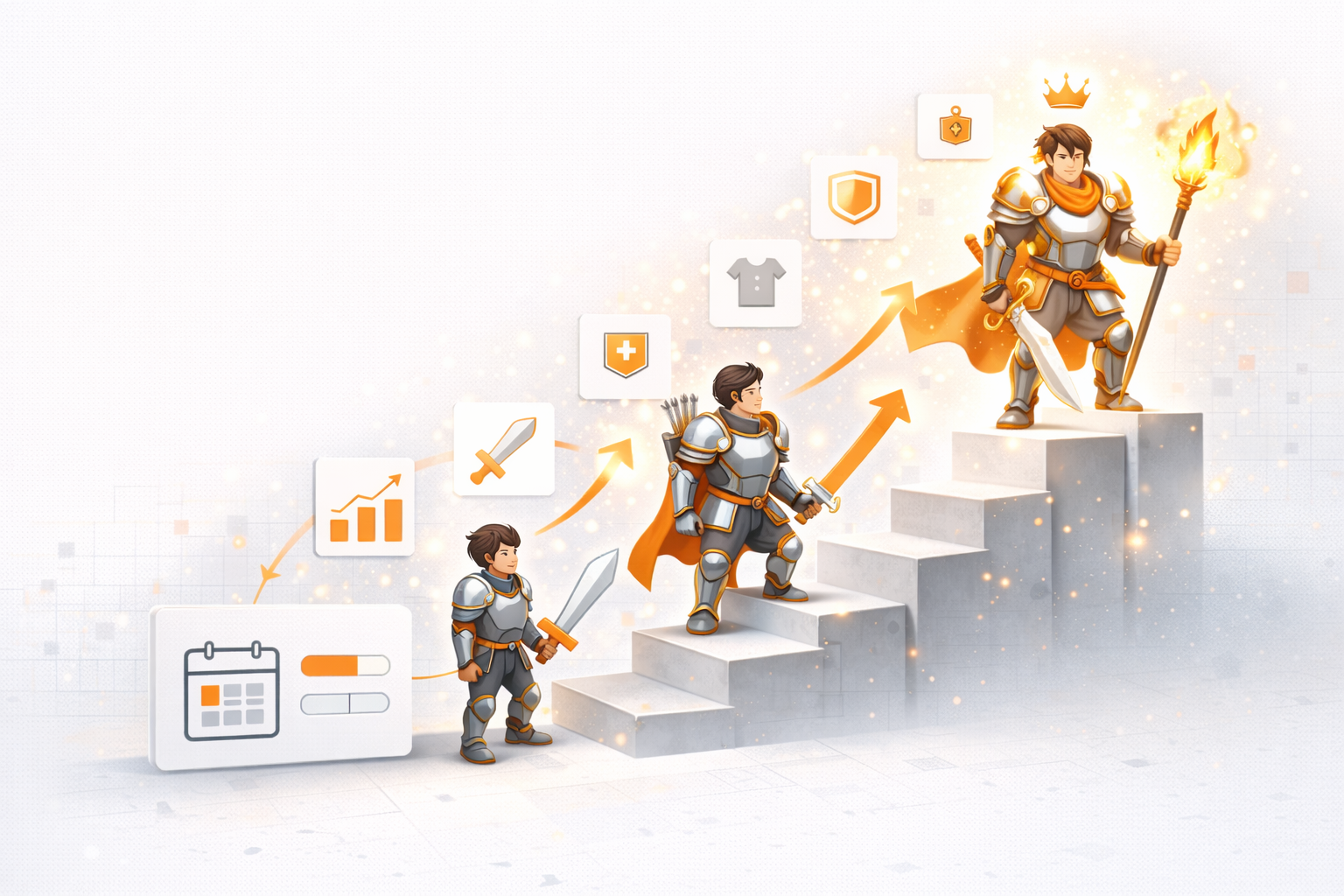
Progression systems give players a reason to return.
Effective progression includes:
Meta-progression—progress that persists across sessions – is especially powerful. It makes players feel that every session matters, even after failure.
Games like Genshin Impact and Destiny 2 use layered progression systems to keep players engaged across hundreds of hours.

Players don’t need endless content – they need consistent updates.
Modern retention-focused games prioritize:
This creates rhythm and anticipation. Players stay engaged because there’s always something coming next.
Developer takeaway:
It’s better to deliver smaller updates consistently than massive updates rarely.

Games are no longer just products – they’re social platforms.
Retention skyrockets when players:
Once a game becomes part of a player’s social routine, leaving it becomes much harder.
Titles like World of Warcraft demonstrate how social structures alone can sustain engagement for decades.

Time-limited events are powerful retention tools when used responsibly.
Effective seasonal design includes:
However, overusing FOMO can lead to burnout. The most successful games balance urgency with accessibility.
Developer takeaway:
Create excitement—don’t create exhaustion.
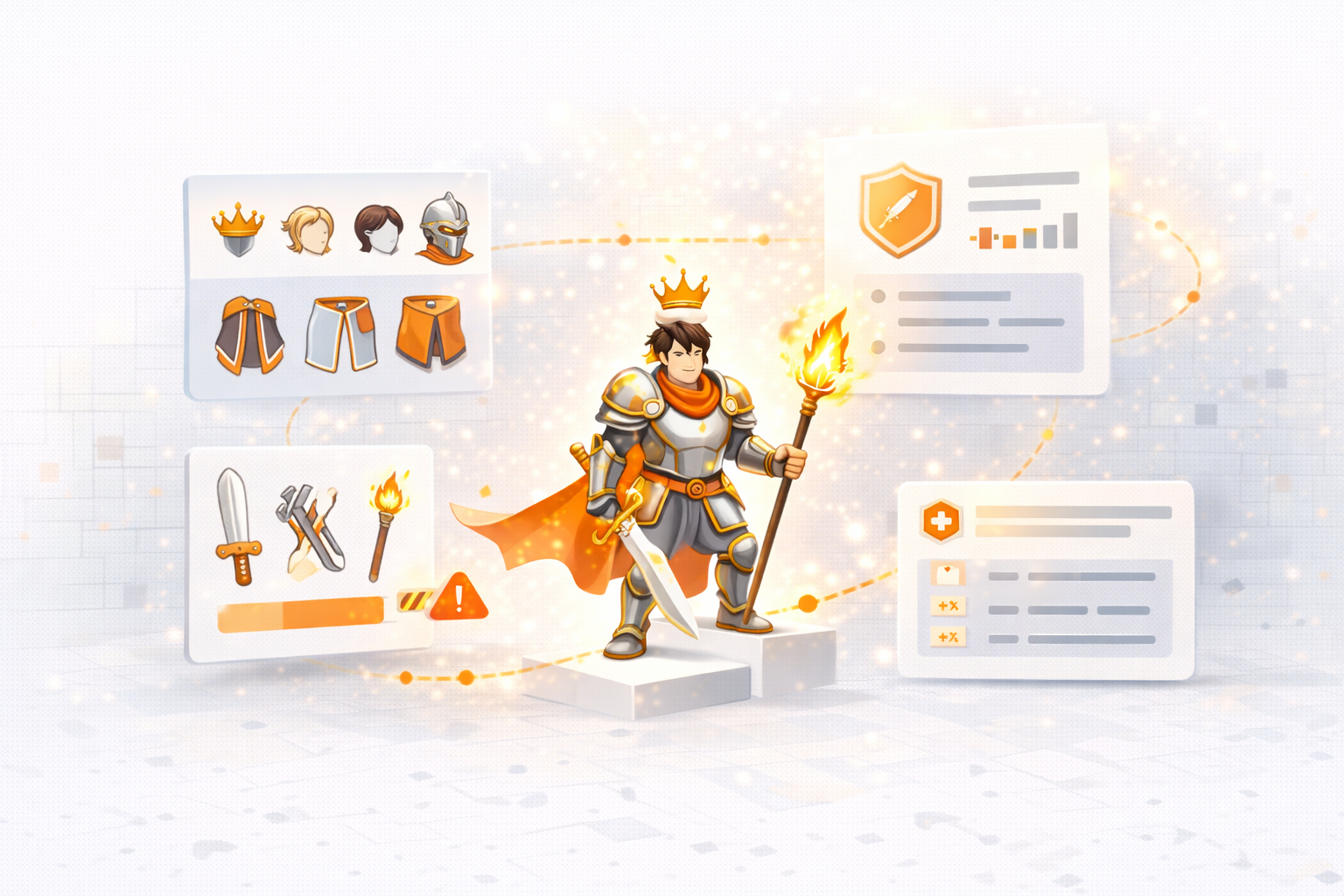
Players stay longer when they feel ownership over their experience.
This includes:
Retention improves when players can express themselves and feel distinct within the game world.

Nothing kills retention faster than:
Players may forgive design flaws – but technical instability pushes them away permanently.
This is why experienced QA, optimization, and pipeline management are essential for long-term success.
At GS Studio, we support retention-focused development by helping teams with:
We work as an extension of internal teams – helping studios stay consistent, flexible, and player-focused long after launch.
Modern game success isn’t about how loudly you launch – it’s about how well you listen, adapt, and evolve.
Games that retain players for years:
Retention is an art, a system, and a long-term commitment. And studios that master it don’t just survive – they thrive.
If you’re building a game meant to last, GS Studio is ready to help you make it happen.


.svg)